
10 Best DIY Home Decluttering Systems
You can alter your cluttered space into a serene oasis with these 10 best DIY home decluttering systems. Start by repurposing vintage furniture into creative storage units or upcycling old items into functional pieces. Optimize your space with vertical storage solutions like shelves, hooks, and baskets, and adopt a minimalism mindset to focus on space-saving solutions. Employ multi-functional items, implement stackable containers, and designate specific containers for categories like toys or linens. Create a home for everything by assigning spaces and functional zones, and maintain your organized space with regular reviews and adjustments. Now, take the first step towards a clutter-free life by implementing these DIY systems, and find out how they can encourage a sense of calm and control in your daily life.
Key Takeaways
- Repurpose vintage furniture into creative storage units to maximize space and reduce clutter.
- Optimize vertical storage with shelves, hooks, and baskets to keep items organized and out of sight.
- Implement effective storage solutions like multi-functional items, stackable containers, and categorized bins for a clutter-free space.
- Create a customized closet and shelf organization system that prioritizes frequently used items and assigns a home for everything.
- Establish a maintenance routine that includes regular reviews, refinements, and sustainable practices to ensure long-term organization.
Decluttering With Repurposed Furniture
Convert your cluttered space into a serene oasis by repurposing old furniture into functional storage solutions. You can breathe new life into vintage cabinets by turning them into creative storage units.
By implementing a structured filing system with digital solutions, you can declutter your space and optimize storage. Repurposed chairs can be altered into functional ottomans or rustic side tables.
Upcycled dressers can become innovative shelving solutions. Altered bookcases can hold not only books but also decorative items and personal treasures.
By thinking outside the box, you can turn stylish crates into multifunctional furniture pieces. Get creative and experiment with different designs and layouts to create a space that's both functional and visually appealing.
With a little bit of imagination, you can turn your cluttered space into a haven of calm and serenity.
Simple Storage Hacks for Small Spaces
You've successfully repurposed old furniture into functional storage solutions, and now it's time to tackle the unique challenges of small spaces.
To maximize your space, adopt a minimalism mindset and focus on space-saving solutions. Employ vertical storage by installing shelves, hooks, or baskets on walls and ceilings.
Consider multi-functional items like storage ottomans or coffee tables with built-in storage. In tight spaces, use stackable containers or bins to keep items organized and out of sight.
Label each container to guarantee you can easily find what you need. By implementing these simple storage hacks, you'll be able to maintain a clutter-free environment even in the smallest of spaces.
DIY Shelving for Maximum Storage
You'll maximize your storage capacity by optimizing shelf space usage, making the most of every inch.
Consider utilizing vertical storage options, like floor-to-ceiling shelves or stackable units, to keep clutter at bay.
Optimize Shelf Space Usage
Behind every cluttered room lies a shelving system crying out for optimization. You can change your shelves from cluttered to organized by implementing a few simple strategies.
Start by installing adjustable shelving, which allows you to customize the height of each shelf to fit your items perfectly. Next, use shelf dividers to separate and categorize your belongings. This will prevent items from getting jumbled together and make it easier to find what you need.
Utilize Vertical Storage Options
Five feet of wall space can be altered into a wealth of storage with a little creativity and some DIY know-how. You can install wall mounted racks to hold bikes, tools, or accessories, keeping them off the floor and out of the way.
Hanging organizers and vertical bins can store linens, cleaning supplies, or toys, while pegboard systems can organize your workspace or entryway. Ladder shelves can provide additional storage for books, decorative items, or kitchenware.
Over the door storage and stackable crates can hold items like bags, jackets, or pantry staples. Add magnetic strips to store small metal items, and tall bookcases can hold books, decorative objects, or kitchen appliances.
Don't forget to employ ceiling storage for infrequently used items, like seasonal decorations or luggage. By maximizing your vertical storage, you'll free up floor space and create a more organized, clutter-free home.
Customize Shelf Configurations
The key to maximizing storage in your DIY shelving system lies in customizing shelf configurations to fit your specific needs. By using adjustable shelving, you can tailor your storage space to accommodate items of varying sizes.
Consider incorporating modular units that can be easily rearranged as your storage needs change. This flexibility guarantees you're making the most of your available space.
When designing your shelf configuration, take stock of the items you need to store and group similar items together. This will help you determine the ideal shelf height and spacing for each section.
Creating a Home for Everything
In every corner of your home, clutter tends to accumulate when items lack a designated spot. To avoid this, you need to create a home for everything. Start by designating spaces and functional zones where items will be kept. This will help you identify clutter hotspots and make routine maintenance easier.
-
Assign designated areas for each family member's belongings to encourage family involvement and a declutter mindset.
-
Make lifestyle adjustments to guarantee that everything has a place and is put back after use.
-
Use visual cues, such as labels and signs, to help form habits and maintain your organized space.
Organizing With Baskets and Containers
You'll use baskets and containers to sort items into categories and store them out of sight, keeping your space clutter-free.
By labeling each basket or container, you'll create a system that makes it easy to find what you need and maintain your organization.
Start by designating a container for each category, such as toys, linens, or cleaning supplies, and then sort items into their corresponding bins.
Sorting With Labels
About three-quarters of the way into your decluttering process, you're likely to find yourself surrounded by piles of sorted items, wondering how to keep them organized and out of sight.
This is where labeling techniques come in. By assigning a label to each category, you can guarantee that similar items are stored together, making it easier to find what you need when you need it.
Here are three ways to use labels effectively:
-
Color code: Assign a specific color to each category, such as using red labels for important documents or blue labels for cleaning supplies.
-
Be specific: Instead of using generic labels like "Miscellaneous", opt for more descriptive labels like "Crafting Supplies" or "Office Equipment".
-
Keep it concise: Use short, clear labels that are easy to read, avoiding lengthy descriptions that can be overwhelming.
Storing Out of Sight
Now that you've sorted your belongings into categories, it's essential to store them out of sight to maintain your newly organized space. This is where baskets and containers come in. Use them to create hidden storage and concealed compartments that keep clutter at bay.
Label each container so you can easily identify what's inside. Consider using stackable bins or shelves to maximize vertical space and keep floors clear.
In closets, install shelves or use hanging organizers to store items like linens, out-of-season clothing, and accessories. By storing items out of sight, you'll maintain a sense of calm and control in your space.
Remember to keep frequently used items in easy-to-access locations, and store less-used items in harder-to-reach areas.
Effective Labeling and Signage Systems
Implementing an effective labeling and signage system is essential to maintaining your newly decluttered space, as it helps create visual cues that guide you and others towards organized habits.
By using clear and concise labels, you can quickly identify what's inside containers or on shelves, making it easier to find what you need and maintain your space.
-
Choose a consistent labeling technique, such as using a specific font or color scheme, to create a cohesive look throughout your space.
-
Select signage styles that fit your space's aesthetic, like modern and sleek or rustic and vintage, to guarantee your labels blend in seamlessly.
-
Use labels to categorize and prioritize, separating items into categories and highlighting frequently used items, to create a system that works for you.
The Power of Vertical Organization
Maximize your space by tapping into the power of vertical organization, which lets you stack items from floor to ceiling, freeing up significant floor and surface areas for more essential items or a clutter-free look.
Install wall-mounted racks for bikes or luggage, and use hanging organizers for items like bags or accessories. Add some greenery with vertical planters, and employ pegboard solutions for hooks and bins.
Stackable bins and ceiling storage help keep clutter at bay, while foldable furniture and ladder shelves provide flexibility. For smaller items, tension rods and magnetic strips can keep them within easy reach.
Customized Closet Organization Solutions
You'll want to maximize storage space in your closet by evaluating the dimensions of the room and identifying areas where you can install shelves, rods, and bins that fit your specific needs.
To optimize shelf organization, consider categorizing items by type, frequency of use, and season, and then assign a designated space for each group.
Maximize Storage Space
Customized closet organization solutions can be a revolutionary element for homeowners struggling to contain their belongings. By maximizing storage space, you can create a sense of calm and control in your closet.
To achieve this, consider the following strategies:
-
Install hanging organizers to double or triple your hanging space, keeping clothes organized and easily accessible.
-
Incorporate multi-purpose furniture, such as storage ottomans or shelves with built-in drawers, to optimize floor space.
-
Utilize vertical space by installing shelves, hooks, or baskets that reach up to the ceiling, making the most of every inch.
Optimize Shelf Organization
Building on the concept of maximizing storage space, let's focus on creating an efficient shelf organization system within your customized closet.
To optimize shelf organization, you'll need to take into account both functionality and visual appeal. Implement shelf arrangement strategies that prioritize frequently used items, placing them at eye level or near the front of the shelf.
Less frequently used items can be stored towards the back or on higher/lower shelves. Don't forget about shelf display aesthetics – group similar items together, and balance the visual weight of your shelves by alternating between large and small items.
Decluttering With a "One In, One Out" Rule
Decluttering your home can be an intimidating task, but maintaining a clutter-free space is often the greater challenge. To overcome this, adopt a "one in, one out" rule. This means that for every new item you bring into your home, you must remove or donate an old one.
This rule helps you maintain a minimalist mindset and guarantees that clutter doesn't build up over time.
Here are three benefits of implementing this rule:
-
Reduces decision fatigue: You'll no longer be overwhelmed by the constant influx of new items.
-
Encourages intentional purchases: You'll think twice before buying something, confirming it's truly necessary.
-
Maintains decluttering benefits: Your hard work won't be undone by new clutter, allowing you to enjoy the benefits of a clutter-free space.
Maintaining Your Organized Space
Settle into your newly organized space, and make it a habit to regularly review and refine your systems. This routine maintenance is essential to sustaining your organized space.
Schedule regular checks to guarantee everything is still working for you. Refine your systems as needed, and make adjustments to accommodate changes in your life.
Implement sustainable practices, like putting things back in their assigned place after use, to maintain your space's organization. Create a "home" for each item, making it easier to find what you need and preventing clutter from building up again.
Frequently Asked Questions
How Do I Stay Motivated During the Decluttering Process?
As you commence on this expedition, imagine a blooming garden, symbolizing growth and renewal. To stay motivated, surround yourself with visual inspiration, and set decluttering rewards, like a relaxing bath or a favorite meal, to fuel your progress and celebrate small victories.
What if I'm Overwhelmed by the Amount of Clutter I Have?
When you're overwhelmed by clutter, take a deep breath and acknowledge that it's normal; then, break it down into manageable chunks, tackling one area at a time, and be honest with yourself about emotional attachments holding you back from effective clutter management.
Can I Declutter With Kids or Pets in the House?
Did you know 75% of Americans consider decluttering a priority? You can declutter with kids or pets in the house by implementing kid-friendly methods, pet-safe solutions, and involving children in the process to create a more organized, peaceful space that works for everyone.
How Do I Decide What to Keep and What to Discard?
You create a criteria checklist to guide your decision-making, considering factors like frequency of use and sentimental value; then, you carefully evaluate each item, making deliberate choices about what to keep and what to discard.
What's the Best Way to Get Rid of Items I No Longer Need?
You're probably wondering what to do with all that clutter you've sorted out. Coincidentally, you have several eco-friendly options: consider donating gently used items to local charities or thrift stores, or investigate recycling methods like repurposing or upcycling to reduce waste.
Related Posts
-
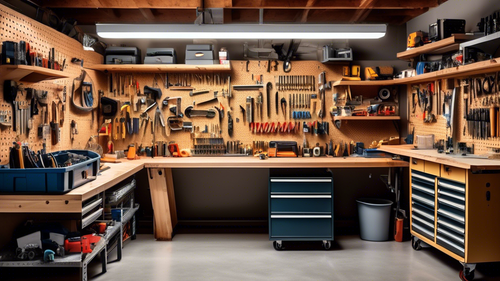
Organize Your Garage Workbench
Organize Your Garage Workbench: A Comprehensive Guide Is your garage a disorganized mess, with tools scattered eve...
-
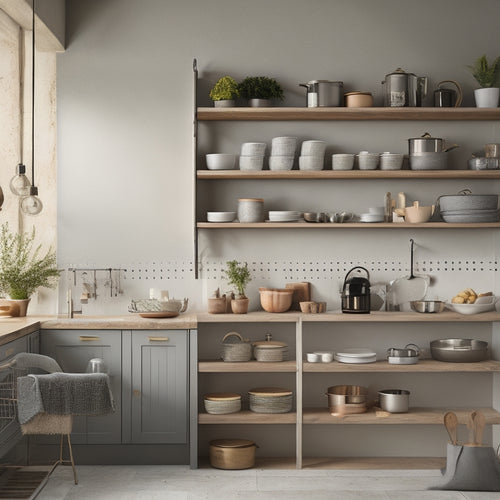
Build Compact Kitchen Shelves in 5 Steps
You can create a compact kitchen shelf that maximizes storage and efficiency in just five easy-to-follow steps. First...
