
Why Busy Families Need a Smarter Home
You're no stranger to chaos, and as a busy family, you're constantly juggling schedules, meals, and household tasks. A smarter home can be your solution, streamlining morning routines with automated breakfast prep and smart alarm clocks, maximizing storage in small spaces with multifunctional furniture, and integrating smart devices for energy efficiency and advanced security. By decluttering with digital tools, simplifying meal planning, and automating household chores, you'll free up time for what matters. Imagine having a centralized hub for seamless control and family coordination - with a smarter home, you can achieve just that, and uncover even more ways to optimize your busy life.
Key Takeaways
- A smarter home streamlines morning routines, maximizing productivity and setting the tone for a busy day ahead.
- Smart devices automate mundane tasks, freeing up time for family bonding, personal pursuits, and relaxation.
- Centralized control and integration of devices simplify household management, reducing mental clutter and increasing efficiency.
- A smarter home adapts to the family's schedule and preferences, adjusting lighting, temperature, and security settings for optimal comfort and energy efficiency.
- Digital tools and automation enable busy families to stay organized, prioritize tasks, and make informed decisions, leading to a more peaceful and organized living space.
Streamlining Morning Routines
During the chaotic morning rush, every minute counts. You need a system that works efficiently to get everyone out the door on time.
Start by optimizing your morning motivation. Establish a consistent wake-up routine, and make the most of your morning by prioritizing tasks. To avoid digital clutter and free up storage, consider migrating files to cloud storage and implement digital decluttering strategies.
Invest in smart devices that can streamline your routine, such as smart alarm clocks that simulate a sunrise, helping you wake up feeling more refreshed.
Implement efficient wake-ups by setting notifications, automating breakfast prep, and allocating time for each family member to get ready.
Maximizing Storage in Small Spaces
As you've streamlined your morning routine, you're now ready to tackle another common challenge busy families face: maximizing storage in small spaces.
To do this, consider implementing vertical storage solutions, such as floor-to-ceiling shelves or storage units, to make the most of your walls. Invest in multifunctional furniture with hidden compartments or creative shelving to keep clutter at bay.
Identify underused spaces, like the area under your bed or inside closet doors, and employ modular storage solutions to optimize these areas. Practice seasonal organization by storing out-of-season items in stackable bins or decorative storage containers.
Smart Homes for Busy Lives
Three key areas of your home can greatly benefit from smart technology: lighting, temperature, and security.
By integrating smart solutions, you can create a more comfortable, efficient, and secure living space that adapts to your busy lifestyle.
Some of the ways you can upgrade your home include:
- Smart lighting that adjusts brightness and color based on the time of day and your activities
- Energy management systems that optimize energy consumption and reduce waste
- Advanced security systems that allow for remote monitoring and instant alerts
- Voice assistants that integrate with your entertainment systems and connected appliances
- Temperature control that learns your schedule and preferences to maintain a comfortable environment
Decluttering With Digital Tools
You can reimagine your living space by utilizing the power of digital tools to declutter and organize your home.
With digital organization, you can categorize and prioritize tasks, making it easier to tackle cluttered areas. Virtual decluttering apps allow you to take photos of your space and virtually remove items, giving you a visual representation of your ideal layout.
This helps you make informed decisions about what to keep, donate, or discard. By digitizing your decluttering process, you'll save time and energy, freeing up space for more important things.
Implementing digital tools into your decluttering routine enables you to take control of your living space, creating a more organized and peaceful environment for your family.
Simplifying Meal Planning and Prep
You're about to convert mealtime chaos into a well-oiled machine.
By leveraging smart home technology, you can simplify meal planning and prep, saving time and reducing stress.
With automated tools, you'll be able to plan healthy meals quickly, generate smart grocery lists, and make meal prep a breeze.
Meal Planning Made Easy
Sifting through recipes, creating grocery lists, and scheduling meal prep can be an overwhelming task, especially for busy families. You can simplify this process by implementing a smarter approach to meal planning.
-
Organize your family recipes in a digital cookbook, allowing you to filter by dietary preferences and cooking time.
-
Create a shared kitchen calendar to schedule meal prep and cooking tasks.
-
Employ time-saving techniques like batch cooking and ingredient substitutions to reduce kitchen time.
-
Plan for meal variety to guarantee nutritional balance and avoid meal monotony.
-
Investigate meal prep apps that integrate with your kitchen devices, streamlining the entire process.
Plan Healthy Meals Fast
A well-stocked pantry and a few clever strategies can be the key to planning healthy meals fast.
You'll save time with quick cooking methods like one-pot meals and sheet pan recipes.
Prioritize family nutrition by prep-cooking proteins and veggies, then assemble meals throughout the week.
Consider meal prep containers for portion control and healthy snacks on-the-go.
Cater to dietary preferences by rotating recipes and incorporating cooking hacks like slow cooker meals.
Organize your pantry by category, ensuring you can find ingredients quickly.
Implement a recipe rotation to prevent meal monotony.
With these strategies, you'll be well on your way to planning healthy meals fast, giving you more time for what matters most - your family.
Smart Grocery Lists
With healthy meal planning strategies in place, it's time to optimize your grocery shopping experience. Smart grocery lists streamline your shopping process, saving you time and reducing food waste.
-
Automatically generate lists based on your meal plans and dietary preferences
-
Receive personalized recommendations for substitutes and complementary items
-
Access smart shopping lists across all your devices
-
Easily add or remove items as needed
-
Integrate with online grocery stores for seamless checkout
Automating Household Chores
By delegating mundane tasks to smart devices, you can reclaim precious time for more enjoyable activities.
Automating household chores is a revolutionary shift for busy families. With robotic vacuuming, you can schedule daily cleanings to keep your floors spotless without lifting a finger.
Smart laundry systems can detect fabric types, automatically dispensing the right amount of detergent and fabric softener. You can even receive notifications when a cycle is complete, ensuring you never forget to switch loads.
By offloading these tasks, you'll free up time for more important things, like family bonding or personal pursuits.
With smart home automation, you're in control, and your household runs more efficiently than ever.
Creating a Centralized Hub
You've likely experienced the frustration of juggling multiple remotes, apps, and interfaces to control your smart devices. Creating a centralized hub eliminates this hassle, streamlining your home automation experience.
With a single interface, you can manage all your smart devices, schedules, and family calendars. This hub becomes the nerve center of your home, enabling efficient scheduling, task delegation, and remote management.
- Integrate all your smart devices into one interface for seamless control
- Access and manage family calendars, schedules, and notifications in one place
- Use interactive displays to visualize your digital organization
- Enjoy centralized control over your home automation systems
- Enhance family communication with a unified platform for messaging and coordination
Frequently Asked Questions
Can Smart Home Devices Be Integrated With Existing Home Systems?
You can seamlessly integrate smart home devices with existing systems, leveraging smart technology integration to automate and streamline your home's functionality, allowing you to control and customize your automated home systems with ease.
Are Smart Home Devices Compatible With All Smartphone Operating Systems?
You'll find that most smart home devices are compatible with both iOS and Android operating systems, but it's crucial to check the device's specifications to guarantee seamless integration with your smartphone, avoiding any operating system requirements issues.
How Do I Ensure Smart Home Devices Are Secure From Hacking?
To guarantee your smart home devices are secure from hacking, you'll want to implement device encryption, strong security protocols, and user authentication. Regularly update firmware, segregate your network, and customize privacy settings to maintain control and safeguard your devices from potential threats.
Can I Control Smart Home Devices With Voice Commands Only?
Ah, lazy bones, you want to laze around and bark orders at your smart home devices, huh? Well, yes, you can control them with voice commands only! Enjoy the hands-free convenience and reap voice command benefits like effortless control and increased productivity.
Do Smart Home Devices Require Constant Wi-Fi Connectivity?
You'll be relieved to know that not all smart home devices require constant Wi-Fi connectivity; some offer Wi-Fi alternatives like Bluetooth or Zigbee, while others provide offline functionality, allowing you to control them even when the internet's down.
Related Posts
-

What Makes an Efficient Walk-In Closet System?
You create an efficient walk-in closet system by combining customizable shelves and storage that cater to your unique...
-
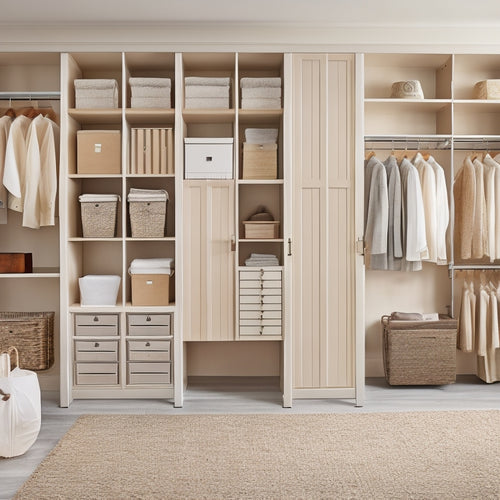
What Makes a Closet Organization System Efficient?
You achieve an efficient closet organization system by understanding your space, purging clutter, and categorizing be...
-

Why Declutter Your Home Office Matters
You'll be amazed at how a clutter-free home office can alter your work life. By decluttering, you'll enhance your pro...
