
Revamp Emergency Storage With Clever DIY Solutions
Effective emergency storage requires a strategic and creative approach to maximize space, especially in compact areas where every square foot counts. By implementing smart storage hacks, such as utilizing hidden spaces and creative shelving ideas, you can efficiently store emergency supplies without sacrificing floor space. Make the most of your vertical real estate by stacking storage containers and shelves, and customize your storage solutions to accommodate specific needs, like medications or pet supplies. With a little ingenuity, you can transform your emergency storage and gain peace of mind - and there's even more to discover to take your storage to the next level.
Key Takeaways
• Utilize hidden spaces like under-bed storage and hollowed-out furniture to stash emergency supplies without sacrificing floor space.
• Implement vertical shelving and stacking containers to maximize storage capacity and accessibility in compact areas.
• Customize storage solutions to accommodate specific emergency needs, such as medications, pet supplies, or baby essentials.
• Opt for multi-functional storage units, like ottomans or storage beds, to serve dual purposes and save space.
• Repurpose everyday items, like mason jars or old luggage, to create unique and functional DIY storage containers.
Smart Storage Hacks for Small Spaces
Compact spaces demand creative storage solutions, and when it comes to emergency preparedness, maximizing storage capacity is crucial. By utilizing hidden spaces and implementing creative shelving ideas, you can efficiently store emergency supplies without sacrificing valuable floor space.
Consider installing shelves or storage units under beds, in closets, or behind furniture. These often-overlooked areas can be repurposed to hold essential supplies like first aid kits, flashlights, and batteries. Additionally, think vertically and use stackable containers or bins to store non-perishable food items, water, and other essentials.
Maximizing Vertical Storage Potential
By stacking storage containers and shelves, you can access the full potential of your emergency storage space, making the most of every inch of vertical real estate. This is especially vital in small areas where floor space is limited.
Here are some ways to maximize your vertical storage potential:
-
Install vertical shelving: Use wall-mounted shelves to store items like canned goods, first aid kits, and other essentials, keeping them organized and easily accessible.
-
Utilize over the door storage: Take advantage of the often-wasted space on the back of a door by using over-the-door storage racks or hooks to hang items like flashlights, batteries, and other small supplies.
-
Opt for stackable containers: Choose storage containers that can be stacked on top of each other, allowing you to store more items in a smaller footprint while keeping your storage area tidy and organized.
Customizing Storage for Specific Needs
Every household's emergency storage needs are unique, requiring a tailored approach to accommodate specific requirements and preferences. A one-size-fits-all solution rarely suffices, which is why customizing storage for specific needs is essential.
By adopting a personalized organization approach, you can create a system that caters to your family's distinct needs. This might involve designing tailored storage solutions for items like medications, pet supplies, or baby essentials.
Consider the frequency of use, accessibility, and visibility when allocating storage space. By doing so, you'll guarantee that your emergency supplies are organized, easily accessible, and efficiently utilized.
With a customized storage system, you'll be better prepared to respond to any emergency situation that may arise.
Frequently Asked Questions
What Is the Recommended Frequency for Checking Emergency Supplies?
For best disaster preparedness, checking emergency supplies every 6-12 months is recommended, ensuring storage rotation and kit personalization, to guarantee expiring items are replaced and equipment remains functional, ready for unexpected events.
Can I Customize My Emergency Kit for Specific Disaster Types?
When creating an emergency kit, consider tailoring it to specific disaster types, such as hurricanes, wildfires, or earthquakes, by incorporating disaster-specific items, ensuring you're prepared for the most likely threats in your area.
How Do I Ensure My Emergency Storage Is Accessible to All Family Members?
'Creating a safety net for all, guarantee inclusive storage by implementing accessibility solutions, such as clear labeling and easy-to-reach shelves, to foster family preparedness and empower every family member to take charge in emergency situations.'
Are There Any Specific Supplies I Should Prioritize in My Emergency Kit?
When assembling an emergency kit, prioritize essential items such as non-perishable food, water, and a first aid kit with basic medical supplies, along with practical tools like flashlights, batteries, and a multi-tool.
Can I Store Emergency Supplies in Outdoor Sheds or Garages?
Did you know that 60% of households lack a basic emergency kit? When storing emergency supplies in outdoor sheds or garages, maintain proper organization tips, such as waterproof containers, clear labeling, and easy access to critical items.
Related Posts
-
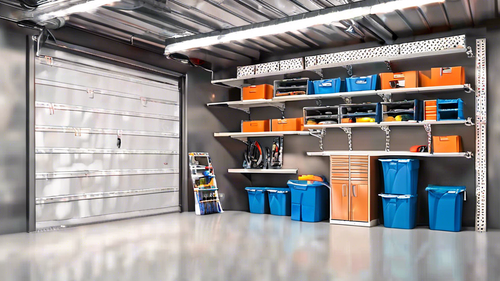
Organize Your Garage Overhead Storage: A Quick Guide
As a homeowner, you know that keeping your garage organized can be a challenge. If your garage is anything like m...
-
What's the Best Home Organization Online Course?
You're looking for a high-quality home organization online course to simplify your space and life. With so many optio...
-
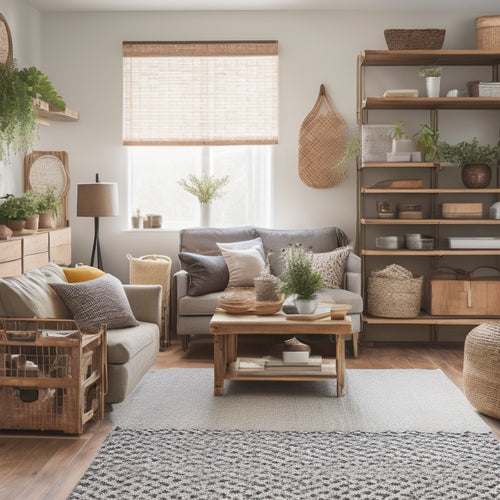
Budget-Friendly Home Storage Solutions You Can DIY
You can transform your cluttered space into an organized oasis without breaking the bank by leveraging creative DIY s...
