
Inherited Possessions Spark Guilt: Sorting Solutions Needed
You're struggling to sort through inherited possessions, tied down by emotional attachments and guilt. Recognize that emotional roots stem from memories and love shared, not the items themselves. Focus on the story behind each item, and separate sentimental value from physical objects. Reclaim space by categorizing items into keep, donate/sell, and discard groups. Be honest about each item's purpose and sentimental value. You'll find that preserving family heirlooms, managing paper and digital clutter, and decluttering hidden storage spaces become more manageable. By tackling these areas, you'll find a sense of control and clarity emerging from the chaos, and discover a path forward that honors your loved one's memory.
Key Takeaways
• Recognize emotional attachment roots in memories and love shared, not the inherited possessions themselves, to develop effective coping strategies.
• Focus on the story behind each item, rather than its physical presence, to separate sentimental value from the object.
• Categorize items into keep, donate/sell, and discard groups, being honest about each item's purpose and sentimental value.
• Consider preserving select family heirlooms in a safe environment, digitizing photos and documents, and displaying treasured items in a place of honor.
• Set deadlines to sort through cluttered storage spaces, being ruthless in decluttering and asking if each item sparks joy or serves a purpose.
Sorting Through Emotional Attachments
When sorting through inherited possessions, recognizing that the emotional attachment you feel is often rooted in the memories and love you shared with the person who owned them, rather than the items themselves, is pivotal. This understanding is crucial for developing effective coping strategies.
It's vital to separate the sentimental value from the physical object. Ask yourself, 'What's the memory or story behind this item?' This helps you focus on the emotional significance, not the item itself.
Reclaiming Space From Clutter
Now that you've dealt with the emotional and sentimental aspects of inherited possessions, it's time to focus on reclaiming the physical space they occupy. Creating a functional and organized living area is crucial. Downsizing solutions can help you achieve this goal. Start by categorizing items into three groups: keep, donate/sell, and discard. Be honest with yourself about each item's purpose and sentimental value.
| Category | Action | Benefit |
|---|---|---|
| Keep | Assign a specific area | Area free of clutter |
| Donate/Sell | Arrange for a pickup or online listing | Financial gain and reduced clutter |
| Discard | Dispose of items promptly | Space freed up and guilt reduced |
Preserving Family Heirlooms
You'll want to prioritize preserving family heirlooms by creating a safe and controlled environment that protects them from damage or deterioration. This means storing them in acid-free containers, away from direct sunlight and moisture.
Consider digital preservation by scanning photos and documents to create a backup, ensuring their sentimental value is preserved for generations to come.
Organize your heirlooms in a way that makes sense to you, such as by date or family member.
Display your most treasured items in a place of honor, where you can appreciate their significance.
Managing Paper and Digital Clutter
Designate specific areas in your home for a mini library and filing units to contain paper clutter and set a routine for regular sorting and maintenance. This will help you stay on top of paperwork and prevent it from piling up.
When sorting, ask yourself if you really need to keep each item. Consider scanning documents and saving them digitally to free up physical space.
Implement a digital organization system, like cloud storage or digital folders, to keep your files in order. Set reminders to review and update your digital files regularly.
Decluttering Hidden Storage Spaces
Behind closed doors and hidden from view, cluttered storage spaces like attics, basements, and closets can quickly become overwhelming repositories for inherited possessions. You're not alone if you're struggling to tackle these areas.
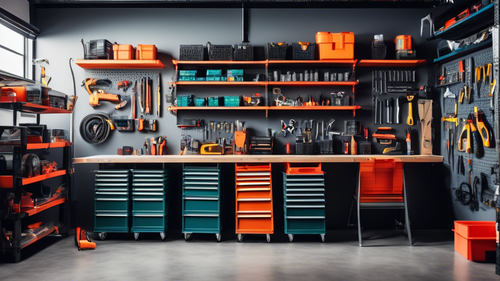
Start by designating a section for DIY projects, and be honest with yourself about what's realistic to complete. Consider garage organization systems to maximize storage and keep items off the floor. Set a deadline to sort through each area, and stick to it.
As you sort, ask yourself if each item sparks joy or serves a purpose. Be ruthless – if it doesn't, consider donating, selling, or discarding it. By breaking down these hidden spaces into manageable tasks, you'll be able to breathe a sigh of relief and create a more organized, clutter-free space that honors your loved one's memory.
Frequently Asked Questions
How Do I Decide What to Keep When Everything Feels Sentimental?
As you wade through the sea of sentimental treasures, remember that emotional attachment can be a heavy anchor. Weigh practicality against sentimentality by asking yourself: "Does keeping this item honor the memory or weigh me down?"
Can I Display All Inherited Items Without Creating Clutter?
You can't display all inherited items without clutter, but you can showcase a few meaningful pieces using space-saving storage and minimalist decor. Prioritize the most sentimental items and rotate them seasonally to maintain a clutter-free space.
What if Family Members Disagree on What to Keep or Discard?
When family members disagree on what to keep or discard, you'll need to facilitate mediation, finding compromises that respect everyone's emotional attachments while still decluttering; set ground rules, prioritize items, and consider rotating keepsakes to guarantee everyone's voice is heard.
How Long Should I Keep Items 'Just in Case' They Become Useful?
You set a deadline for reviewing "just in case" items, weighing emotional attachment against practicality considerations. Implement storage solutions during the decluttering process, and if items remain unused, let them go, freeing up space and mental energy.
Is It Selfish to Get Rid of Inherited Items That Don't Fit My Style?
Imagine the weight of inherited items suffocating your personal space. It's not selfish to let go of items that don't fit your style; it's self-care. Release the emotional attachment and guilt, and focus on curating a space that reflects your true self.
Related Posts
-
Pro-Level Garage Organization
Garage Organization: A Pro's Perspective Your Garage: A Sanctuary or a Storage Nightmare? Picture this: a garage th...
-
Why Bathroom Storage Matters for a Clutter-Free Home
You recognize that a clutter-free bathroom is essential to your daily routine, but did you know that clever bathroom ...
-
Budget-Friendly Home Storage Hacks and Solutions
With a little creativity, you can achieve a clutter-free home without breaking the bank. Start by decluttering one ar...
