
What's Holding You Back From a Clutter-Free Home?
You're likely holding onto clutter in your home due to a complex mix of physical, emotional, and organizational barriers that are preventing you from achieving the tidy space you desire. It may be that your living space is constrained, making it tough to find creative storage solutions. Or, your busy family schedule is leaving you little time for cleaning and sorting. Perhaps emotional attachment to items is holding you back, or you're struggling with organizational skills or inconsistent maintenance habits. Whatever the reason, it's time to identify the root of the issue and take the first step towards a clutter-free home - and you're about to discover the next steps to get you there.
Key Takeaways
• Physical space limitations and lack of creative storage solutions can hinder efforts to achieve a clutter-free home.
• Emotional attachment to items, fueled by memories and sentimental value, makes it difficult to let go of possessions.
• Inconsistent maintenance habits and poor organizational skills can lead to clutter accumulation over time.
• Unrealistic expectations of a perfect home can lead to frustration and a sense of failure, causing individuals to give up on their decluttering efforts.
• Busy family schedules and morning chaos can make it challenging to find time for cleaning and organizing, perpetuating clutter.
Physical Space Limitations
Your living space has a finite capacity, and when it's overflowing with stuff, it's impossible to ignore the feeling of suffocation that comes with it.
But, don't worry, you can break free from the clutter trap. It's time to get creative with storage solutions! Start by downsizing your possessions - be ruthless, what do you really need?
Once you've pared down, think vertically. Make the most of your walls by installing shelves, hooks, or storage units that maximize your space. Consider multi-functional furniture that serves more than one purpose. By utilizing vertical space, you'll create a sense of breathability in your home.
Next, reassess your layout. Rearrange your furniture to create a sense of flow and functionality. Don't be afraid to experiment until you find a layout that works for you.
Busy Family Schedules
You're not alone if your busy family schedule makes it tough to maintain a clutter-free home. Between getting the kids to school and yourself to work on time, mornings can be chaotic, leaving little room for cleaning and organization.
Managing Morning Chaos
Six busy family members, each with their own schedule, can create a morning routine that's more chaotic than a tornado hitting a toy store. But, what if you could tame the chaos and start the day on a more peaceful note?
It's time to take control and implement some simple strategies to manage morning madness. Streamlining routines is key. Identify the essential tasks that need to be done each morning, and prioritize them. Simplify storage by designating a spot for everything, making it easy for each family member to grab what they need on the go.
Assign a 'launching pad' near the front door where backpacks, lunchboxes, and other essentials can be stored, keeping clutter at bay.
Squeezing in Cleaning Time
Finding pockets of time to clean amidst busy family schedules can be a challenging task, but it's not impossible. You're not alone in struggling to balance work, school, and extracurricular activities with keeping a tidy home. The key is to incorporate time management strategies into your daily routine.
Here are a few ways to squeeze in cleaning time:
-
Wake up 15 minutes earlier: Use this time to quickly pick up toys, make your bed, or prep breakfast. It may not seem like much, but it sets the tone for the rest of the day.
-
Turn cleaning into a game: Put on some upbeat music and challenge your family members to see who can clean the most in a set amount of time. This makes cleaning more enjoyable and creates a sense of teamwork.
-
Use decluttering techniques during downtime: Take advantage of moments like waiting for the bus or during commercial breaks to quickly tidy up or sort through a small area. Every little bit counts, and these small moments can add up to make a big difference.
Emotional Attachment to Items
Emotional attachment to items often stems from the memories, people, or experiences associated with them, making it challenging for you to let go of even the smallest trinkets or keepsakes. This sentimental clutter can be overwhelming, but recognizing that holding onto these items is different from holding onto the memories themselves is crucial. You can still cherish the memories without being surrounded by physical reminders.
To overcome emotional attachment, try implementing declutter strategies that focus on the memories, not the items. For example, take a photo of the item and let it go, or create a digital archive of sentimental items you no longer need to keep physically. This way, you can still access the memories whenever you desire without being weighed down by clutter.
As you work towards a minimalist lifestyle, remember that the memories and emotions attached to items are what truly matter, not the items themselves. By letting go of the physical objects, you're not erasing the memories; you're simply making space for new experiences and a more streamlined living area.
Lack of Organizational Skills
You're not alone if you struggle to keep your space organized - a lack of organizational skills can be a major obstacle to achieving a clutter-free home.
When you don't have a clear plan for your space, you're likely to waste time searching for misplaced items and struggling to maintain order.
Let's break down the key areas where you can improve: disorganized space planning, inefficient use of time, and poor habit formation.
Disorganized Space Planning
Lacking a clear plan, your living space can quickly devolve into chaos, making it difficult to pinpoint what's truly essential and what's just taking up valuable real estate. Without a well-thought-out strategy, you may find yourself drowning in clutter, unsure of where to start or how to maintain a sense of organization.
To get your space back on track, consider the following approaches:
-
Rethink furniture rearrangement: Don't be afraid to experiment with different layouts to create a more functional and efficient space. Think about the 'zones' in your home – areas dedicated to specific activities, like cooking or relaxation – and arrange your furniture accordingly.
-
Optimize storage solutions: Invest in storage units that make sense for your space, such as shelving units, baskets, or bins. Label each storage container so you can easily find what you need, and make sure everything has a designated home.
-
Create a 'launching pad': Designate a specific area, like a entryway or mudroom, as a 'launching pad' where you can place keys, wallets, and other essentials, keeping them organized and within easy reach.
Inefficient Use of Time
When disorganization takes hold, not only does your space suffer - it also impacts your schedule, as wasted time spent searching for misplaced items or dealing with clutter-related stress erodes your productivity. You're left feeling frustrated, overwhelmed, and stuck.
| Current Habits | Clutter-Free Solutions |
|---|---|
| Spending hours searching for lost documents | Implementing a filing system and assigning a specific spot for important papers |
| Procrastinating on tasks due to clutter-related stress | Breaking down tasks into smaller, manageable chunks and prioritizing them based on importance |
| Wasting time on unnecessary tasks | Identifying time-wasting activities and eliminating them or delegating them to free up more time for important tasks |
| Feeling overwhelmed by clutter | Starting small, decluttering one area at a time, and celebrating your successes along the way |
To overcome inefficient use of time, developing effective time management skills and decluttering strategies is crucial. By prioritizing tasks, avoiding procrastination, and streamlining your workflow, you'll be able to focus on what truly matters to you. Remember, every minute counts, and by making a few simple changes, you can take back control of your time and create a more organized, clutter-free home.
Poor Habit Formation
Developing poor habits, such as consistently misplacing items or leaving clutter unchecked, stems from a lack of organizational skills, which can be challenging to overcome without a clear understanding of how to create and maintain a structured environment.
You may not even realize the impact these habits have on your daily life until you're stuck searching for lost items or feeling overwhelmed by the mess.
To break free from these patterns, you'll need to make some adjustments. Here are a few strategies to get you started:
-
Identify the habits that are holding you back and make a plan to replace them with new, more productive behaviors. This is where behavior change comes in – it's not just about changing your actions, but also your mindset.
-
Create a routine adjustment that works for you, whether that's setting aside 10 minutes each day to tidy up or dedicating an hour on the weekend to organize a specific area.
-
Start small and focus on one area or habit at a time. This will help you build confidence and momentum as you work towards a clutter-free home.
Inconsistent Maintenance Habits
You consistently struggle to maintain your space because your daily habits are disjointed and often get derailed by unexpected tasks or procrastination. This inconsistency leads to clutter buildup, making it challenging to sustain a clutter-free home.
To break this cycle, establishing a routine that works for you is crucial. Start by committing to daily decluttering, even if it's just for 10-15 minutes. This can be as simple as tidying up your living area or wiping down the kitchen counters.
On weekends, allocate some time to weekend purging, where you focus on a specific area or task, like organizing your closet or cleaning out your fridge.
By integrating these habits into your daily and weekly routine, you'll be better equipped to maintain your space and prevent clutter from accumulating.
Unhealthy Relationship With Stuff
Your attachment to material possessions is likely rooted in emotional connections, sentimental value, or a fear of scarcity, leading to an unhealthy relationship with stuff that perpetuates clutter accumulation.
This attachment can be overwhelming, making it difficult to part with items, even if they no longer serve a purpose. As a result, your living space becomes cluttered, disorganized, and stressful.
Recognizing the root of your attachment is vital in breaking free from this unhealthy relationship. Ask yourself:
- Are you holding onto items because of the memories attached to them?
- Do you fear that getting rid of something will lead to scarcity or loss?
- Are you using material possessions as a way to cope with emotional voids or insecurities?
Unrealistic Expectations
Clutter often accumulates when we set unrealistic expectations for ourselves, our living spaces, or our belongings, leading to a never-ending cycle of acquisition and disorganization. You might think you need a perfectly organized home, but that's an unrealistic goal. Perfection pressure can be overwhelming, causing you to give up before you even start.
| Unrealistic Expectations | Realistic Goals | Freedom From Clutter |
|---|---|---|
| Having a spotless home | Maintaining a tidy space | Reduces stress and anxiety |
| Owning the latest gadgets | Having what you need | Saves money and space |
| Being a perfect host | Being a gracious host | More time for relationships |
| Having a massive wardrobe | Having a functional wardrobe | Reduces decision fatigue |
| Being a master organizer | Being organized enough | More time for hobbies |
Frequently Asked Questions
How Do I Declutter With a Partner Who Resists Change?
As you navigate the stormy waters of decluttering with a resistant partner, anchor yourself with effective communication strategies and compromise techniques. Set clear boundaries, seek support from friends or a therapist, and ride the waves of change together.
Can I Really Declutter if I Live With Chronic Disorganization?
You can still declutter despite living with chronic disorganization, a common symptom of mental health conditions. Start small, break tasks into manageable chunks, and prioritize clutter management strategies that work for you, not against your brain's unique needs.
What if My Clutter Is a Result of a Recent Traumatic Event?
You're a wounded traveler, carrying the heavy backpack of trauma, and clutter is the tangled mess of emotions inside. To unpack, start with small steps, acknowledging the pain, and gently decluttering spaces, allowing emotional healing to unfold, and trauma recovery to take root.
How Do I Declutter Sentimental Items That Were Gifts?
When decluttering sentimental gifts, you're not erasing memories, but freeing yourself from emotional attachment. Create a "maybe" box, take photos, and let go of items that no longer serve you, keeping only what sparks joy.
Is It Possible to Declutter if I'm Not a Minimalist?
You're tackling decluttering like a detective searching for clues, and it's okay if you're not a minimalist. Practice self-compassion throughout the decluttering process, recognizing emotional attachment to items. Develop strategies to overcome it, and you'll find freedom in your space.
Related Posts
-
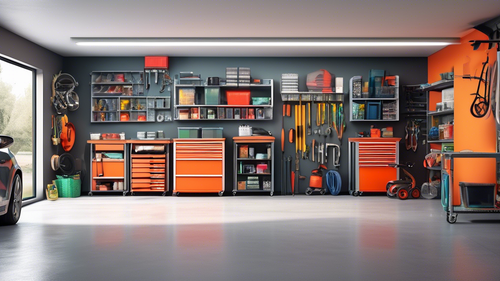
Maximize Your Garage Space: A Comprehensive Guide
Decluttering and organizing your garage can seem like a daunting task, but it's a worthwhile investment that will...
-
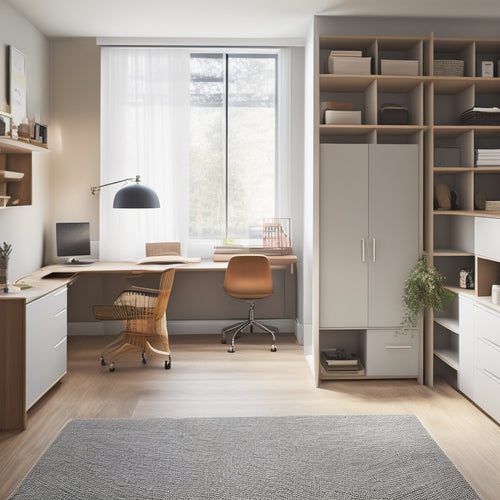
7 Essential Storage Hacks for Small Spaces
You're likely no stranger to the frustrations of living in a small space, where clutter can quickly accumulate and ma...
-
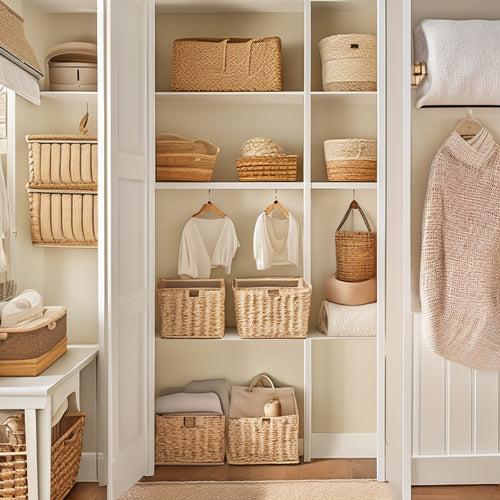
7 Best Budget-Friendly DIY Closet Organization Hacks
You can transform your cluttered closet into a serene oasis without breaking the bank! Repurpose old furniture pieces...
