
What Online Courses Teach About Home Organization Systems
Through online courses, you'll discover how to overhaul your home organization system by mastering digital tools and strategies, creating a personalized plan, and overcoming common obstacles. You'll learn to declutter digitally, optimize your workspace, and manage paper clutter effectively. These courses will also guide you in maximizing storage capacity, implementing maintenance routines, and customizing your organizational system to fit your style. By enrolling in these courses, you'll gain the skills to transform your space into a haven of productivity and tranquility. As you explore these topics further, you'll uncover the secrets to maintaining a clutter-free living and working space that sparks joy and efficiency.
Key Takeaways
• Online courses teach how to define organizing goals and priorities, creating a clear plan for a clutter-free home.
• They provide strategies for allocating specific times for tasks and assessing room layouts for maximum efficiency.
• Courses cover digital organization tools and apps, such as calendars and task management systems, to streamline productivity.
• They offer guidance on creating a productive workspace with ergonomic design, personalized elements, and easy access to tools.
• Online courses also provide tips on managing paper clutter digitally and incorporating personal style elements into home organization systems.
Decluttering Digital Tools and Apps
You can revolutionize your decluttering process by harnessing the power of digital tools and apps that streamline organization, provide personalized guidance, and offer motivational accountability. By incorporating these digital wonders into your routine, you'll be amazed at how efficiently you can tackle even the most challenging tasks.
For instance, a digital calendar can help you schedule decluttering sessions, set reminders, and track progress. This visual representation of your tasks will keep you on track and motivated.
Task management apps, such as Trello or Asana, can also help you break down larger projects into manageable chunks, prioritize tasks, and delegate responsibilities. With these apps, you can create customized boards, lists, and cards to suit your unique decluttering needs.
Organizing Digital Clutter Effectively
As you work on organizing your digital life, you'll need to develop a system for managing your digital files and decluttering your email inbox.
You'll want to create a clear structure for storing and retrieving files, making it easy to find what you need when you need it.
Digital File Management
Effective digital file management begins with categorizing and labeling digital files in a way that mirrors your physical filing system, ensuring seamless access to the information you need. This means creating folders and subfolders that make sense to you, just like you would with physical files. But, with digital files, you have the added bonus of being able to search for specific keywords and tags, making it even easier to find what you're looking for.
| Digital File Management Tips | Why They're Important |
|---|---|
| Use cloud storage | Access your files from anywhere, on any device |
| Set up a consistent naming convention | Easily identify files and avoid duplicates |
| Create a "Someday" folder | Keep track of ideas and inspiration for later |
| Use virtual assistants to automate tasks | Save time and reduce digital clutter |
| Regularly back up your files | Avoid losing important data in case of a crash |
Decluttering Email Inboxes
Decluttering your email inbox requires a systematic approach, starting with sorting messages into categorized folders and labels that reflect your personal and professional priorities. This step is essential in streamlining your workflow and achieving email efficiency. By doing so, you'll be able to quickly locate important messages and avoid wasting time searching for them.
Next, tackle the challenging task of deleting or archiving unnecessary emails. Be ruthless – if you don't need it, delete it! This will help you avoid digital clutter and free up storage space.
Set aside time each week to maintain your newly organized inbox. This habit will help you stay on top of your emails and prevent clutter from building up again.
Creating a Home Organization Plan
You'll need to define your organizing goals and priorities by identifying the areas of your home that bother you the most and the tasks that take up too much of your time.
This is where time management comes in – you'll want to allocate specific times for specific tasks to guarantee you're not wasting hours on non-essential activities.
Once you've pinpointed your problem areas, it's time to assess your room layout. Take note of the traffic flow, the placement of furniture, and how it affects your daily routine.
Consider how you can optimize your space to make the most of your time. For instance, if you're constantly tripping over clutter in the morning, maybe it's time to rethink your entryway setup.
By identifying these pain points and making adjustments to your room layout, you'll be well on your way to creating a home organization plan that actually works for you.
Setting Up a Productive Workspace
Designating a dedicated workspace that sparks productivity requires careful consideration of the physical and visual elements that fuel your focus and efficiency. You want a space that's tailored to your unique needs, where you can immerse into tasks without distractions.
To achieve this, consider an ergonomic setup that promotes comfort and reduces eye strain. Position your chair, desk, and computer to create an efficient workflow that flows smoothly.
Next, think about personalized design elements that reflect your work style. Do you prefer a clean and minimalist aesthetic or a colorful, inspiring atmosphere? Choose a functional layout that accommodates your most-used tools and supplies, keeping them within easy reach.
A well-organized workspace can boost your motivation and energy levels, helping you tackle tasks with enthusiasm. By carefully curating your workspace, you'll be amazed at how it can transform your productivity and overall work experience.
Managing Paper Clutter Digitally
Paper clutter can quickly overwhelm your workspace, but by scanning and digitizing crucial documents, you can free up physical storage and reduce visual distractions. Embracing paperless solutions is a game-changer, and online courses can guide you through the process.
You'll learn how to create a digital archive, where you can store and organize your most significant papers. This digital repository will become your go-to hub for quick access to essential documents, freeing you from the burden of physical filing cabinets.
Implementing a Maintenance Routine
Implementing a Maintenance Routine
Consistently dedicating a few minutes each day to maintaining your organized space guarantees that clutter doesn't creep back in and undermines your hard-won progress. You've worked too hard to get your home organized, so don't let it fall back into disarray! Set aside a specific time each day, whether it's during breakfast or right before bed, to maintain your space. This can be as simple as tidying up, wiping down surfaces, or putting away items that are out of place.
To make sure you stick to your routine, try scheduling reminders on your phone or creating checklists of tasks to complete. You can also implement habits like the 'one-touch rule,' where you put things away as soon as you're done using them.
Tracking your progress can be a great motivator, so consider keeping a journal or using a habit-tracking app to see how far you've come. By making maintenance a habit, you'll be able to enjoy your organized space for months to come. Remember, it's all about creating a routine that works for you and sticking to it!
Customizing Your Organizational System
When customizing your organizational system, you'll need to identify your specific needs and preferences to create a tailored solution that works for you.
You'll want to take into account your lifestyle, habits, and personal style to determine what type of system will be most effective.
Identify Your Needs
As you begin customizing your organizational system, take stock of your daily routines, habits, and pain points to pinpoint the specific areas where clutter and disorganization are hindering your productivity and peace of mind. This self-reflection is essential in identifying your needs and creating a system that truly works for you.
Start by evaluating your priorities: what're your non-negotiables? What tasks do you need to accomplish daily, weekly, and monthly?
Next, define your goals: what do you want to achieve with your new organizational system? Do you want to free up more time for hobbies or reduce stress? Be specific and realistic – this will help you create a system that's tailored to your unique needs.
Consider your lifestyle, too: do you work from home, have kids, or live with roommates? By understanding your needs and goals, you'll be able to design a system that's functional, efficient, and sustainable.
Fit Your Style
With your needs and goals firmly in mind, you're now ready to customize an organizational system that seamlessly integrates into your daily routine, accommodating your unique preferences and habits. This is where your personal style shines! It's time to infuse your space with your personality, making it a reflection of who you are.
| Decorating Tips | Organizational Hacks |
|---|---|
| Use colorful bins and baskets to add a pop of personality | Label each bin and basket to preserve categorization |
| Incorporate textures and patterns to create visual interest | Implement a 'one in, one out' policy to prevent clutter buildup |
| Display personal items, like photos or mementos, to make the space feel yours | Designate a specific area for frequently used items, like a 'launching pad' near the front door |
| Add plants or a statement piece of art to create a sense of calm | Create a routine for regular tidying and maintenance to make sure the system sticks |
Overcoming Organizational Challenges
You'll likely face several obstacles as you attempt to implement a home organization system, including procrastination, lack of space, and information overload. But don't let these challenges discourage you! With the right strategies, you can overcome them and achieve your organizational goals.
First, tackle procrastination by practicing effective time management. Break down large tasks into smaller, manageable chunks, and schedule specific times for organizing and decluttering. This will help you stay focused and avoid feeling overwhelmed.
Additionally, incorporate mindfulness practice into your daily routine. Take a few minutes each day to breathe, relax, and clear your mind. This will help you stay present and motivated, even when faced with challenging organizational tasks.
Maximizing Storage and Space
Your home's storage capacity is an essential factor in maintaining a well-organized living space, and optimizing it requires a strategic approach to maximizing every inch of available space. Think of it like a puzzle - every piece needs to fit together perfectly to create a harmonious whole. Online courses on home organization systems will teach you how to tackle this puzzle head-on.
Let's start with closet organization. A well-organized closet is a game-changer for any home. By implementing a system of shelves, bins, and hooks, you can triple your storage capacity and make the most of that often-wasted space. And don't even get us started on the joys of a clutter-free kitchen! With clever kitchen storage solutions, such as pull-out pantries and utensil organizers, you'll be whipping up meals in no time.
The key to maximizing storage and space is to think vertically and utilize every nook and cranny. By doing so, you'll be amazed at how much more functional and peaceful your living space becomes.
Frequently Asked Questions
How Do I Organize Sentimental Items Without Feeling Guilty About Letting Go?
"When you're stuck in sentimental limbo, try 'cherish and curate' instead of 'keep it all.' Practice emotional decluttering with a guilt-free, minimalist approach, and you'll find it's okay to let go of items that no longer spark joy - or at least make you smile."
Can Online Courses Provide Personalized Organizational Solutions for My Unique Space?
You're wondering if online courses can provide tailored solutions for your quirky space? Absolutely! They'll help you develop customized strategies for space optimization, efficient decluttering, and personalized solutions that fit your unique style and needs.
Do Home Organization Systems Work for People With ADHD or Other Neurodiverse Conditions?
You wonder if home organization systems can tame the chaos for people with ADHD or other neurodiverse conditions? Yes, they can! By acknowledging neurodiverse challenges, you can adapt organization strategies to overcome them, making your home systems work for you, not against you.
How Long Does It Typically Take to Implement a New Home Organization System?
You'll invest about 2-4 weeks of consistent effort to implement a new home organization system, but trust us, the benefits are worth it - you'll save time, reduce stress, and conquer clutter!
Are Home Organization Systems Suitable for Small or Shared Living Spaces?
"Oh, you think you can't fit a home organization system in your shoebox-sized apartment? Think again! You'll discover space-saving solutions and roommate-friendly organization hacks that'll make your tiny space feel like a palace, minus the royal drama."
Related Posts
-
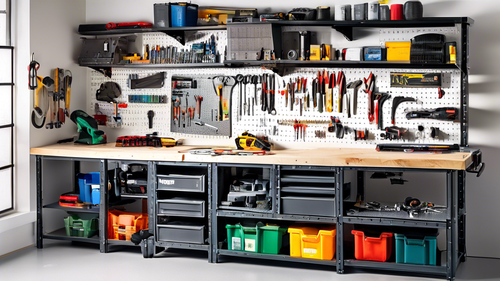
Garage Workbench Organization
Garage Workbench Organization: A Guide to Maximizing Space and Efficiency Are you tired of a cluttered and unorgan...
-
Streamline Your Digital Life: Online Courses to Help
You're feeling overwhelmed by digital clutter, and it's time to take control. Online courses can help you streamline ...
-

Best Stackable Containers for Flour Storage
When it comes to storing flour, you need stackable containers that prioritize freshness and organization. Look for ai...
