
What Makes a Great Home Organization System?
You need a home organization system that incorporates designated space for everything, a task management system, and regular maintenance to keep your space organized. Utilize organizational tools, like baskets and bins, and establish a routine that works for you. A great system also considers your unique space, using vertical storage and repurposed items to maximize functionality. By implementing effective storage solutions, task management, and decluttering strategies, you'll be well on your way to a peaceful and productive living space. As you tailor your system to your needs, you'll uncover even more ways to optimize your space and transform your daily routine.
Key Takeaways
• A great home organization system incorporates designated space for everything, ensuring each item has a home and reducing clutter.
• It implements a task management system, prioritizing tasks and establishing a routine for regular maintenance and upkeep.
• Effective storage solutions, such as adjustable shelving and multi-functional furniture, optimize space and blend with the home's style.
• The system is customized to unique spaces, utilizing precise measurements and creative storage solutions that think vertically and use corners.
• It establishes habits and routines, tracking progress and making adjustments as needed to ensure continued success and progress.
Essential Features of Organization Systems
You'll find that effective organization systems typically incorporate several key elements, including a designated space for everything, a system for categorizing and prioritizing tasks, and a routine for regular maintenance and upkeep. These features work together to create a sense of calm and control in your home.
Space optimization is vital, as it guarantees that every item has a designated spot, making it easy to find what you need when you need it. Organizational tools like baskets, bins, and shelves can help you maximize your space and keep clutter at bay.
A well-designed system should also feature a minimalist design with a functional layout. This means avoiding cluttered countertops and instead opting for a clean, streamlined look that promotes efficiency. By incorporating these essential features, you'll be able to maintain your space with ease, freeing up time and energy for more significant things.
Customization for Unique Spaces
Every home is unique, with its own set of quirks and challenges, which is why a one-size-fits-all approach to organization simply won't cut it. You need a system that's tailored to your space, not a generic solution that's forced to fit. That's where customization comes in.
To optimize your space, you'll need to think outside the box (or in this case, the storage bin). Here are a few ways to make it happen:
-
Measure up: Take precise measurements of your rooms, nooks, and crannies to create a system that fits like a glove.
-
Identify pain points: Pinpoint the areas that drive you crazy (ahem, cluttered closet, we're looking at you) and create custom solutions to tackle them.
-
Work with your layout: Don't try to force a square peg into a round hole. Instead, design your system around your unique layout.
- Get creative with storage: Think vertically, use corners, and repurpose items to create a system that's both functional and aesthetically pleasing.
Effective Storage and Shelving
Effective storage and shelving start with a clear understanding of your specific needs. Evaluating your belongings and prioritizing what needs a designated spot is pivotal. You can't just throw everything into a closet and call it a day (although, let's be honest, we've all been there).
To maximize your space, you need to identify what you need to store and where it makes the most sense to store it. This is where space optimization comes in – think vertically, folks! Versatile solutions like adjustable shelving and multi-functional furniture will be your new best friends.
But don't forget about aesthetic appeal – your storage solutions should blend in with your home's style, not stand out like a sore thumb. It's all about finding that perfect balance between functionality and looks. By doing so, you'll create a system that not only keeps your belongings organized but also makes you happy to be in your space.
Task Management and Scheduling
Now that you've optimized your space with effective storage and shelving, it's time to turn your attention to managing the tasks and schedules that keep your daily life running smoothly. This is where the rubber meets the road, my friend! Task management and scheduling are vital components of a great home organization system. Without them, you'll be stuck in a never-ending cycle of chaos and procrastination.
Here are four essential strategies to help you master task management and scheduling:
-
Prioritize tasks: Identify the most important tasks that need to be done, and tackle them first. This will help you stay focused and make progress on the things that truly matter.
-
Use time blocking: Schedule specific tasks into dedicated time slots, and stick to them. This will help you avoid multitasking and reduce distractions.
-
Create a schedule: Plan out your day, week, or month in advance. Write it down, and make it practical.
- Review and adjust: Regularly review your schedule and task list, and make changes as needed. This will help you stay on track and continuously improve your system.
Decluttering and Maintenance Strategies
You've optimized your task management and scheduling, but without a solid decluttering and maintenance strategy, clutter can quickly creep back in and undermine your hard-won organization. Think of decluttering as a detox for your space – it's crucial to get rid of the unnecessary to make room for the essential. Here are some decluttering tips and maintenance hacks to help you stay on track:
| Decluttering Tips | Maintenance Hacks | Organization Goals |
|---|---|---|
| Sort items into three piles: keep, donate, and discard | Set aside 10 minutes daily for tidying | Create a 'one in, one out' policy |
| Focus on one area at a time to avoid feeling overwhelmed | Schedule regular deep cleaning sessions | Designate a 'launching pad' for daily essentials |
| Consider the 80/20 rule: 80% of the time, you likely only use 20% of your belongings | Implement a 'home for everything' system | Aim to reduce clutter by 50% in the first month |
Creating a Productive Environment
Your surroundings play a significant role in your productivity, and a well-designed environment can boost your focus, energy, and motivation. Think about it: when your space is clutter-free and organized, you can breathe easier, think clearer, and get more done.
It's time to create a productive environment that supports your goals and helps you stay on track.
Here are some efficiency tips to get you started:
-
Designate a workspace: Dedicate a specific area for work or studying, and keep it free from distractions.
-
Minimize digital clutter: Close unnecessary tabs, organize your computer files, and set reminders to stay on top of tasks.
-
Use time-blocking: Schedule specific times for tasks, and stick to it to maximize your productivity.
- Add some greenery: Plants have been shown to increase focus and reduce stress – plus, they're a great excuse to get some natural light!
Adapting to Changing Needs
As your priorities shift and new tasks emerge, your home organization system must adapt to accommodate these changes and maintain its effectiveness. You can't expect a one-size-fits-all approach to work forever, especially when life throws curveballs like a new baby, a move, or a career change. That's why integrating flexible solutions into your system from the beginning is crucial.
Think of your organization system as a dynamic, living entity that evolves with your needs. As your priorities change, your system should be able to pivot to support you. This means being willing to reassess and adjust your systems regularly.
It's not about creating a perfect system that never changes; it's about creating a system that can adjust to your evolving needs.
Integrating Technology and Tools
To maximize the efficiency of your home organization system, harness the power of technology and tools by incorporating digital calendars, reminders, and task management apps that can sync across all your devices. This digital integration will streamline your organizing methods, making it easier to stay on top of tasks and appointments.
Here are some smart technology and efficiency tools to contemplate:
-
Smart speakers: Use voice commands to set reminders, play music, and control other smart devices in your home.
-
Task management apps: Apps like Trello, Asana, or Todoist help you organize and prioritize tasks, set deadlines, and collaborate with family members.
-
Digital notes: Take notes and save them to the cloud with apps like Evernote or OneNote, accessible from any device.
- Smart home devices: Invest in devices like Amazon Echo or Google Home to control lighting, temperature, and security systems with ease.
Establishing Habits and Routines
You're now ready to establish the habits and routines that will keep your home organized and clutter-free.
To make this happen, you'll need to create a schedule that works for you and stick to it.
Morning Routine Starts
Establish a consistent morning routine by setting a realistic wake-up time and allocating 30 minutes to an hour for personal development, exercise, or meditation to jumpstart your day with energy and focus. You'll be amazed at how this small chunk of time can set the tone for a productive day. By prioritizing your morning, you'll create a sense of control and calm that'll carry over into your daily tasks.
Here are 4 ways to make your morning routine stick:
-
Plan your outfit the night before: Save time and reduce decision fatigue by laying out your clothes in a designated space.
-
Use a timer for your morning routine: Set a timer for 30 minutes to make certain you're sticking to your schedule and making the most of your time.
-
Designate a morning 'launching pad': Choose a specific spot, like a hook or tray near the door, to corral your keys, wallet, and other essentials.
- Make time for daily planning: Take a few minutes each morning to review your schedule and prioritize your tasks, guaranteeing you're making the most of your time management skills.
Designate Task Times
By assigning specific time slots to tasks, you'll create a structured schedule that helps you stay on track and build consistent habits. Think of it as time management on steroids! With a designated time for each task, you'll avoid procrastination and make the most of your day.
For instance, allocate 30 minutes in the morning for exercise, 60 minutes for lunch prep, and 2 hours for focused work. This approach helps you prioritize tasks, making it easier to tackle that pesky to-do list.
Plus, it frees up mental energy spent on deciding what to do next. By doing so, you'll create daily routines that become second nature, allowing you to tackle more complex tasks with ease.
Create Accountability
Creating accountability for yourself starts with tracking your progress, making your habits and routines visible, and regularly reviewing them to identify areas for improvement. This is where the magic happens - you get to see what's working and what's not, and make adjustments accordingly.
Here are some ways to create accountability:
-
Get an accountability partner: Share your goals and progress with a friend or family member and ask them to keep you on track.
-
Set specific, achievable goals: Break down large tasks into smaller, manageable chunks, and set deadlines for each one.
-
Create a rewards system: Give yourself a treat or privilege when you reach a milestone or complete a task.
- Schedule regular review sessions: Set aside time each week to review your progress, celebrate your successes, and adjust your approach as needed.
Measuring Success and Progress
You'll know your home organization system is thriving when you start seeing tangible results, such as a clutter-free living room or a sense of calm that permeates your daily routine.
But how do you measure success and track progress? It's not just about the aesthetic benefits; a great home organization system should also save you time, reduce stress, and boost productivity.
So, take note of how long it takes you to find what you need, how often you're late, or how much you're spending on duplicates. Set specific, measurable goals, like 'I want to free up 30 minutes each morning' or 'I want to reduce my cleaning time by an hour.'
Then, regularly track your progress against these goals. You can use a habit tracker, a planner, or even just a sticky note on your fridge. The key is to hold yourself accountable and celebrate your wins.
When you see how far you've come, you'll be motivated to keep your system running smoothly and make adjustments as needed.
Frequently Asked Questions
Can a Home Organization System Be Adapted for a Small Budget?
You can create a home organization system on a shoestring budget by opting for DIY solutions and creative hacks, like upcycling old containers or repurposing items you already own, getting organized without breaking the bank!
How Do I Get My Family Members to Follow the System?
"A million tiny rebellions won't sabotage your system if you involve family members in the planning, establish consistent routines, and implement a reward system with accountability checks - it's a recipe for harmony, not anarchy!"
Is It Necessary to Hire a Professional Organizer for Implementation?
You're wondering if you need to hire a pro to get your home organized? Honestly, it depends - if you're a DIY dynamo, go for it! But if you're short on time or stuck, consider hiring a pro, weighing the cost against the sanity you'll save.
Can a Home Organization System Be Used for People With Disabilities?
You can create an organization system that's tailored to your needs, incorporating accessible adaptations and inclusive solutions to guarantee equal access for people with disabilities, making independence and ease a reality.
How Often Should I Reassess and Adjust My Home Organization System?
You should reassess your home organization system regularly, ideally every 3-6 months, to guarantee it remains flexible and tailored to your changing needs, allowing for efficient maintenance and customized solutions that don't drive you crazy!
Related Posts
-
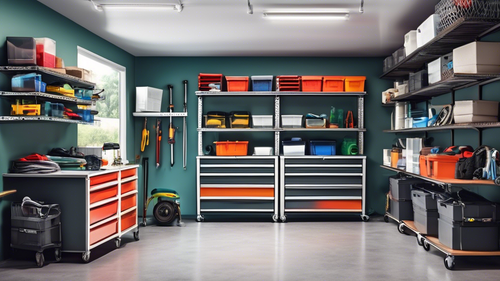
Maximize Your Garage Space: Organization Tips for Small Garages
Introduction: Prepare to transform your cramped garage into an organized haven! As a staunch advocate for creating...
-
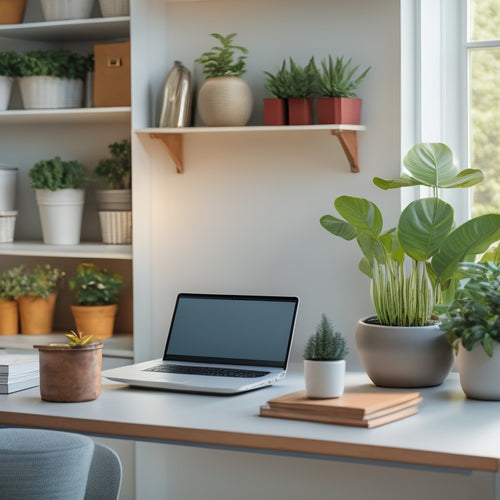
What's the Best Home Organization Online Course?
You're looking for a high-quality home organization online course to simplify your space and life. With so many optio...
-
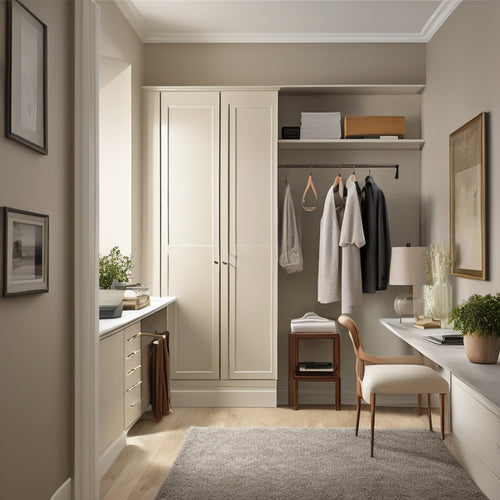
Create Your Dream Closet With Online Tools
You can bring your dream closet to life with online tools that let you envision, design, and customize your ideal spa...
