
Simplify Your Space: 5 Essential Decluttering Tips
To simplify your space, start by setting clear goals, like freeing up time or reducing stress. Then, purge easy items like expired or broken things, and donate or recycle what you can. Organize similar items by category, making intentional decisions about what to keep. Assign a home for each item to maintain your new space. Finally, schedule regular maintenance to keep clutter at bay. By following these 5 essential decluttering tips, you'll be well on your way to a more organized, peaceful life - and you'll discover even more benefits as you continue to create your simplified space.
Key Takeaways
• Define specific, measurable, and achievable goals for your simplified space to stay committed and motivated.
• Start decluttering by removing expired, broken, or unnecessary items to build momentum and confidence.
• Organize items by category to make intentional decisions about what to keep and what to let go of.
• Assign a designated spot for each item to prevent clutter and maintain your newly organized space.
• Schedule regular maintenance sessions to sustain a minimalist lifestyle and avoid falling back into old habits.
Start With a Clear Goal
Defining what you want to achieve with your simplified space allows you to stay focused and motivated throughout the process. It's crucial to set specific, measurable, and achievable goals.
What do you want to accomplish with your simplified space? Do you aim to free up more time, reduce stress, or enhance productivity? Write down your goals and make them visible. This will help you stay committed and directed.
To make sure you're on track, set priorities. Identify the areas of your space that require the most attention. What're the most critical tasks you need to achieve? Make a list and rank them in order of importance.
As you work through your tasks, monitor your progress. Celebrate your successes, no matter how small they may appear. This will give you the drive you need to keep moving forward.
Purge the Easy Items First
To build momentum and confidence, tackle the easiest items to purge first, such as expired or broken items that are taking up valuable space. These items are obvious candidates for removal, and getting rid of them will give you a sense of accomplishment and motivation to continue the decluttering process.
Next, sort through items you no longer need or use. Donate unused items that are still in good condition to local charities or online organizations. Not only will you be decluttering your space, but you'll also be helping those in need.
Consider recycling old belongings like paper, cardboard, or glass that can be repurposed or reused. This won't only free up space in your home but also reduce waste and minimize your environmental footprint.
Organize by Category Not Location
Clarity emerges when you group similar items together by category, rather than organizing by room or location. This sorting strategy helps you see what you have, making it easier to decide what to keep and what to let go of. This step is pivotal in your decluttering journey, as it allows you to confront the reality of your possessions and make intentional decisions about what you want to surround yourself with.
When organizing by category, you'll likely find that you have multiple items serving the same purpose. This is where the debate between minimalism and maximalism comes in. Do you want to keep multiple options, or do you want to narrow it down to just what you need?
Letting go of emotional attachment to specific items can be tough, but it's vital to creating a space that truly serves you. By grouping similar items together, you'll be forced to confront the emotional attachment and make a conscious decision about what's truly important to you.
Designate a Home for Each Item
Once you've purged your belongings and grouped similar items together, assign a designated spot for each item, ensuring everything has a place to return to when not in use. This will help you maintain your newly organized space and prevent clutter from building up again.
For example, designate a specific drawer or shelf for your cookbooks, and make sure they're stored upright to prevent damage. Consider investing in storage solutions like baskets, bins, or shelves to keep items hidden from view and create a sense of calm.
Schedule Regular Maintenance
You've assigned a home to each item, now it's time to commit to regular maintenance to secure your newly organized space stays that way. This is where many people struggle, as decluttering challenges can arise if you don't maintain your space.
To avoid falling back into old habits, schedule regular decluttering sessions to keep your space organized and clutter-free.
Set aside a specific day and time each week to maintain your space. This could be as simple as 10-15 minutes a day or an hour on the weekend.
Use this time to tidy up, put away items that are out of place, and get rid of anything you no longer need. By doing so, you'll be able to sustain a minimalist lifestyle and enjoy the benefits that come with it, such as reduced stress and increased productivity.
Frequently Asked Questions
How Do I Stay Motivated During a Long Decluttering Process?
"When you're stuck in a rut, take it one step at a time, and don't bite off more than you can chew. Break decluttering into manageable chunks, set deadlines, and enlist accountability partners to keep you on track and motivated."
What if I'm Attached to Sentimental Items, Like Photos or Gifts?
When tackling sentimental items, you'll face emotional attachment, making decluttering tough. Start by acknowledging your feelings, then ask yourself if keeping the item truly honors the memory or if a photo or digital copy would suffice.
Can I Declutter With Kids or Pets Helping (Or Hindering) Me?
You can declutter with kids and pets, but be prepared to manage distractions! Set aside dedicated time, create pet-friendly zones, and assign kid-friendly tasks to keep them engaged and out of the way.
How Do I Handle Clutter That I've Inherited From a Family Member?
As you wade through the emotional undertow of inherited items, imagine each piece as a thread in a tapestry of memories. Set aside sentimental family heirlooms, then decide what's worth storing and what's ready to let go, freeing yourself from the weight of the past.
What's the Best Way to Declutter Digital Files and Computer Documents?
You'll tackle digital clutter by creating a clear folder structure, deleting duplicates, and purging outdated files. Start by categorizing documents, then sort and remove redundant files, freeing up space and reducing digital stress.
Related Posts
-
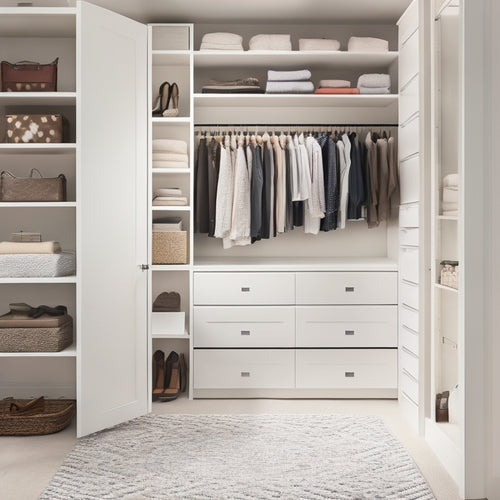
Designing Custom Shelving for Closet Organization Success
When designing custom shelving for closet organization success, you'll need to assess your closet's unique dimensions...
-
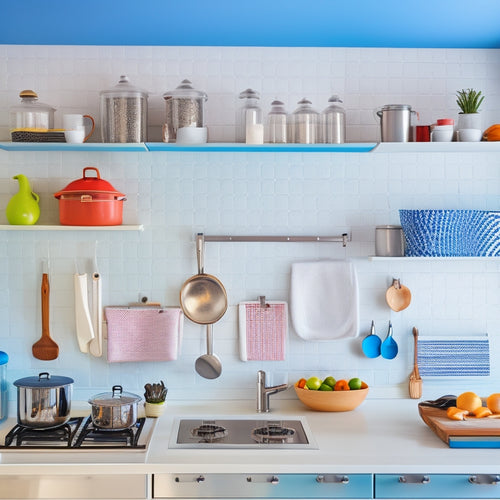
10 Essential Tips to Organize Your Compact Kitchen
You're about to change your compact kitchen into a highly functional and organized space that makes meal prep a breez...
