
10 Best Online Courses for Home Decluttering Success
You're ready to transform your space into a clutter-free haven that sparks joy and fuels productivity. To get started, focus on fundamental mindset shifts, organizing with purpose, and simplifying your closet and wardrobe. Learn to create a home for everything, manage clutter hotspots, and maintain order with schedules and habits. Discover strategies for small space living, overcoming emotional clutter barriers, and building sustainable habits. With the right online course, you'll be on your way to a clutter-free life. Now, take the next step and discover the top online courses that'll help you achieve your decluttering goals and open up a more intentional, organized you.
Key Takeaways
• Look for courses that address mindset shifts, habit formation, and emotional attachment to clutter for sustainable decluttering success.
• Effective courses should cover space organization, zone creation, and intentional living principles to maximize productivity and mood.
• A well-rounded course should include strategies for maintaining order, scheduling tidying up, and preventing clutter buildup.
• Courses that provide actionable tips on closet organization, wardrobe curation, and clutter management in small spaces are essential for home decluttering success.
• Opt for courses that offer a comprehensive approach, including maintenance schedules, item placement, and overcoming emotional barriers to decluttering.
Decluttering Fundamentals for Beginners
You're about to embark on a transformative journey, and it's crucial to begin with the fundamentals: comprehending what clutter is, how it accumulates, and why it hinders you from attaining your ideal living or working space.
Clutter is more than just a mess; it's a reflection of our habits, priorities, and emotional attachments. To succeed in decluttering, you need to shift your mindset and find your motivation. Ask yourself, what's hindering you from living the organized life you desire? Is it fear of letting go, sentimental value, or simply not knowing where to start?
Developing a decluttering mindset means acknowledging the emotional and physical toll of clutter on your life. It's vital to identify your why – the reason you want to declutter – and use it as fuel to propel your journey.
Next, learn effective organization techniques and tips to help you address clutter hotspots, such as the 'one-touch rule' or categorizing items into 'keep,' 'donate,' and 'discard' piles. With the right mindset and strategies, you'll be well on your way to conquering clutter and achieving a more organized, peaceful space that ignites joy and productivity.
Organizing Your Space With Purpose
With your decluttering mindset firmly in place, it's time to transform your space into a haven of purpose and functionality by assigning a designated spot for each item and creating zones that support your daily routines and goals.
You're not just organizing, you're optimizing your space to make your life easier. Think of it as a game of Tetris – every piece has a home, and every zone has a function.
Create a 'launching pad' near the front door for your keys, wallet, and bag. Designate a 'work zone' for your home office or study area. Even your 'relaxation station' can have a spot for your favorite book or cozy throw blanket.
By doing so, you'll eliminate clutter hotspots and make intentional decisions about what you bring into your space. This mindful living approach will have you living more deliberately, with purpose and intention.
You'll be amazed at how a well-designed space can boost your productivity, reduce stress, and even improve your mood. So, get creative, and make your space work for you – not the other way around!
Simplifying Your Closet and Wardrobe
When simplifying your closet and wardrobe, you'll want to start by implementing a closet organization system that works for you, one that maximizes storage and makes the most of your space.
This will enable you to see what you have, making it easier to edit your wardrobe essentials down to the must-haves that make you feel confident and stylish.
Closet Organization Systems
This closet organization system tackles the challenging task of simplifying your closet and wardrobe by providing a structured approach to categorizing, storing, and maintaining your belongings. It's time to say goodbye to cluttered shelves and hello to a peaceful morning routine.
With this system, you'll learn how to create a tailored space that works for you, not against you.
Here are three key takeaways to get you started:
-
Maximize storage solutions: Make the most of your closet's vertical space with shelves, bins, and baskets that keep items off the floor and out of sight.
-
Implement seasonal rotation: Store out-of-season clothing in labeled bins or containers, freeing up space for current favorites.
-
Assign a home for each item: Designate a specific spot for everything from socks to accessories, ensuring you can find what you need in a snap.
Wardrobe Essentials Editing
You've now organized your closet space, and it's time to focus on what's actually in it – your wardrobe – and edit out items that no longer serve you. This is where the magic happens, and you get to curate a wardrobe that sparks joy and makes getting dressed a breeze.
Start by taking everything out of your closet (yes, everything!) and sorting items into three piles: keep, donate/sell, and discard. Be ruthless – if you haven't worn it in the past year, it's probably safe to let it go.
Next, identify your wardrobe essentials – the pieces that make you feel confident and comfortable. These are the items that will form the foundation of your seasonal capsule.
A seasonal capsule is a small collection of essential pieces that can be mixed and matched to create multiple outfits. Aim for around 30-40 items, including tops, bottoms, dresses, outerwear, and accessories.
Creating a Home for Everything
Assign a designated spot for each item in your home, ensuring that everything has a specific place where it belongs. This will make it easier to maintain your newly decluttered space and prevent clutter from building up again. By doing so, you'll avoid the frustration of searching for misplaced items and reduce the likelihood of buying duplicates.
To maximize your storage solutions, consider the following:
-
Optimize your shelves:
Use stackable containers or bins to store items like linens, toys, or office supplies, keeping them organized and out of sight. -
Utilize vertical space:
Install hooks, shelves, or a pegboard to hang items like bags, bikes, or tools, making the most of your walls. -
Designate a 'launching pad':
Choose a specific spot, like a tray or basket near the entrance, to corral keys, wallets, and other essentials, keeping them from getting lost or scattered throughout the house.
Managing Clutter Hotspots Effectively
Your home likely has clutter hotspots - areas like the kitchen counter, entryway, or desk - where clutter tends to accumulate quickly, making it essential to develop strategies to manage these zones effectively. To create clutter-free zones, start by identifying the sources of clutter in each hotspot.
For instance, if your kitchen counter is constantly cluttered with papers, consider implementing digital solutions like digitizing receipts or switching to paperless bills. When it comes to tackling paper clutter, consider implementing organizing hacks like a 'touch once' rule, where you deal with each piece of paper as soon as you touch it. You can also designate a specific spot for paper clutter, like a tray or bin, to keep it contained.
Decluttering for a More Mindful Life
By intentionally letting go of physical possessions that no longer serve a purpose, you're creating space for a more mindful, present-focused life where energy can be redirected towards what truly matters. Decluttering isn't just about getting rid of stuff; it's about cultivating mindfulness practices that help you live more intentionally.
When you adopt decluttering techniques that prioritize intentional living, you'll find that you're more focused on what brings you joy and fulfillment. Here are a few ways decluttering can lead to a more mindful life:
-
Reduced stress: Clutter can contribute to feelings of anxiety and overwhelm. By clearing out the physical clutter, you're also clearing out mental clutter.
-
Increased self-awareness: As you declutter, you'll become more aware of your consumption habits and the things that truly add value to your life.
-
More free time: With a clutter-free space, you'll spend less time searching for lost items and more time on activities that bring you joy.
Strategies for Maintaining Order
Now that you've decluttered your space, maintaining the order you've worked so hard to achieve is crucial.
To do this, you'll need to establish habits that become second nature, and that starts with creating a schedule to keep your space organized.
Create a Schedule
To maintain the momentum of your decluttering efforts and prevent clutter from building up again, establish a routine by setting aside a specific time each week or month to review and adjust your space. This is where time management comes in – you need to prioritize your tasks and set boundaries to make certain you're dedicating enough time to maintaining your newly decluttered space.
Here are three ways to create a schedule that works for you:
-
Daily routines: Allocate 10-15 minutes each day to tidy up and put away items that are out of place. This can be as simple as wiping down the kitchen counters or putting away toys.
-
Weekly reviews: Set aside 30 minutes to an hour each week to review your space and make adjustments as needed. This could be tidying up living areas, organizing your desk, or meal planning for the week.
-
Monthly deep cleans: Schedule a deeper clean once a month to tackle areas that need extra attention, such as the fridge, oven, or bathrooms.
Assign a Home
You'll find that maintaining order in your newly decluttered space requires assigning a home for each item, ensuring everything has a designated place where it can be easily found and put back. This strategy is vital for preventing clutter from building up again. By assigning a home, you'll avoid the frustration of searching for misplaced items and make room rearrangement a breeze.
Here's a simple framework to help you assign a home for your belongings:
| Item | Home | Reason |
|---|---|---|
| Keys | Hook near the entrance | Easy to grab when heading out |
| Cleaning supplies | Under the sink | Convenient for quick cleanups |
| Books | Bookshelf in the living room | Accessible for reading and relaxation |
| Kitchen utensils | Drawer near the stove | Efficient for cooking and meal prep |
Decluttering for Small Space Living
Living in a small space demands a ruthless editing of your belongings, and adopting strategic decluttering habits is essential to maintaining a sense of calm and control in your compact home.
You'll need to get creative with your space, and that means embracing space-saving solutions and maximizing storage. Here are a few tips to get you started:
-
Opt for multi-functional furniture: Instead of having a separate desk and bookshelf, consider a desk with built-in storage or a murphy bed with a desk combo. This will help reduce clutter and free up floor space.
-
Utilize vertical space: Install shelves, hooks, or storage units that go up to the ceiling to make the most of your walls. This will help keep your floors and surfaces clear of clutter.
-
Choose items that serve multiple purposes: For example, a storage ottoman can provide a place to sit and store items like throw blankets or out-of-season clothes.
Overcoming Emotional Clutter Barriers
Emotional clutter barriers, rooted in sentimental value, nostalgia, or fear, often stand in the way of your decluttering progress, making it difficult to part with items that no longer serve a purpose in your life. It's like trying to let go of a part of yourself - it's tough!
But, here's the deal: you don't have to be held back by emotional clutter. You can overcome these barriers and start healing.
Emotional clutter healing is a process that requires self-reflection, honesty, and a willingness to let go. Mindfulness practices can be a game-changer in this journey. By being present in the moment and acknowledging your emotions, you can start to separate your feelings from the physical items.
Ask yourself: 'What's the real reason I'm holding onto this item?' Is it because it brings you joy or serves a purpose, or is it because you're afraid to let go of the memories attached to it?
Building Sustainable Habits Successfully
Now that you've started to overcome emotional clutter barriers, it's time to focus on building sustainable habits that will help you maintain your newly decluttered space and prevent clutter from accumulating again in the future.
You've worked hard to get rid of the physical and emotional weight, and now it's time to make sure it stays that way.
Here are three essential habits to focus on:
-
Create a 'one in, one out' rule: For every new item you bring into your home or workspace, get rid of an old one. This will maintain a balanced level of possessions and prevent clutter from building up again.
-
Schedule regular decluttering sessions: Set aside time each week or month to maintain your space and keep clutter at bay. Consistency is key in habit formation, so make it a priority.
-
Practice mindful consumption and intentional living: Be more thoughtful about what you buy and why. Ask yourself if you really need it, and consider the long-term consequences of your purchases.
Frequently Asked Questions
Can I Declutter if I Have a Physical Disability or Chronic Illness?
You can absolutely declutter with a physical disability or chronic illness! Focus on adaptive strategies, like enlisting help or using ergonomic tools, to make organization more accessible and manageable - and celebrate those tiny wins!
How Do I Handle Clutter That's Been Accumulating for Decades?
"Imagine standing at the edge of a cluttered ocean, waves of memories crashing against you. To navigate decades of accumulation, you'll need decluttering strategies that tackle emotional attachments head-on, and long-term solutions that foster sustainable habits to keep your space calm and clutter-free."
Do I Need to Buy a Lot of Organizing Products to Declutter?
You don't need to break the bank on organizing products to declutter; a minimalist approach with DIY solutions can work wonders. Start by repurposing items you already have, and then invest in a few essential tools that'll make your life easier.
Can I Declutter With Kids and Still Have a Peaceful Home?
You can declutter with kids and still have a peaceful home, but it requires strategies to overcome common challenges, like tantrums and mess-making; by setting boundaries, creating routines, and involving them in the process, you'll maintain peace amidst the chaos of family dynamics.
Will Decluttering and Organizing Really Reduce My Stress Levels?
You're wondering if decluttering and organizing will really reduce your stress levels? Absolutely! By tackling clutter, you're tackling a major stress trigger, which can notably improve your mental health and overall stress management.
Related Posts
-
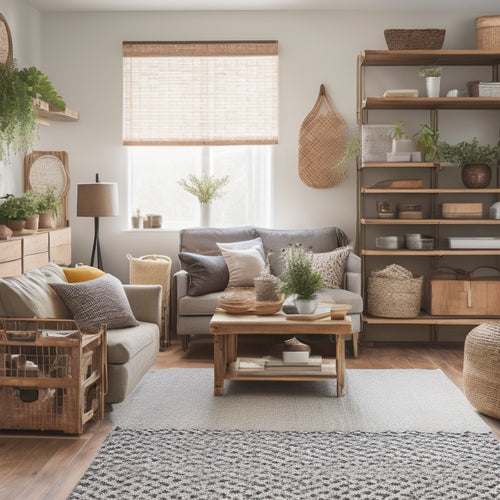
Budget-Friendly Home Storage Solutions You Can DIY
You can transform your cluttered space into an organized oasis without breaking the bank by leveraging creative DIY s...
-
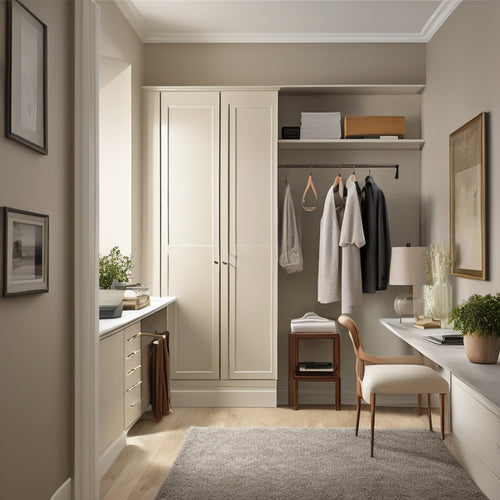
Create Your Dream Closet With Online Tools
You can bring your dream closet to life with online tools that let you envision, design, and customize your ideal spa...
-
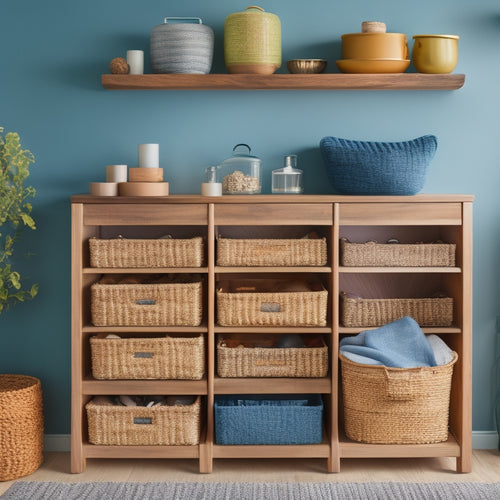
Declutter Your Drawers: 10 Genius Storage Hacks
You can breathe new life into your cluttered drawers by implementing a few genius storage hacks. Start by maximizing ...
